


Warehouse Security Checklist
Protecting Loading Docks, Inventory, and Access Points
Keeping a warehouse secure takes more than locking the doors at the end of the day. With employees coming and going, trucks arriving for deliveries, and inventory moving through the building, security issues can arise easily.
At Marksman Security, we understand the challenges of protecting busy warehouses and distribution centers. Effective warehouse security starts with knowing who has access to your facility and having procedures in place to protect your inventory.
Whether you manage a small warehouse or a large distribution center, this warehouse security checklist can help you identify potential risks and improve your current security measures.
1. Identify Your Warehouse’s Security Risks
Every warehouse operates differently. Before changing your security program, look at where your facility may be most vulnerable.
Start by reviewing past incidents and talking with employees who work in shipping, receiving, and warehouse management. They may notice problems that aren’t immediately obvious during a routine inspection.
Pay particular attention to:
- Areas where valuable inventory is stored
- Employee entrances and visitor access points
- Loading docks and trailer parking areas
- Overnight operations and shift changes
- Areas with limited visibility or poor lighting
Once you’ve identified potential problems, decide which ones need attention first. You may find that something as simple as repairing a broken gate or updating an outdated access list can make a difference.
2. Manage Employee and Visitor Access
Knowing who enters your facility is an important part of warehouse access control.
Employees need access to perform their jobs, but that doesn’t mean everyone should be able to enter every part of the building. Visitors and contractors also need a clear check-in process.
Review your current procedures and ask:
- Are employee badges and access credentials up to date?
- Are visitors required to check in?
- Can employees access areas outside their responsibilities?
- Are lost badges and keys reported immediately?
- Is access removed when someone leaves the company?
Temporary and seasonal employees should follow the same procedures as permanent staff.
At Marksman Security, our industrial security services include visitor check-ins, employee badging, and access management to help businesses maintain control over their facilities.
3. Verify Drivers and Shipments
Warehouses often receive deliveries from several carriers throughout the day. With so much activity, it’s important to verify every driver and shipment properly.
Before allowing a truck to enter a restricted area or releasing inventory, employees should confirm that the driver and shipment match the information on file.
Your verification process should include:
- Checking driver identification and carrier information
- Confirming scheduled deliveries and pickups
- Reviewing shipment numbers and delivery instructions
- Verifying unexpected changes with an approved contact
- Reporting information that doesn’t match company records
If something seems wrong, employees should know who to contact before allowing the shipment to proceed.
Having a consistent verification process helps prevent unauthorized pickups and reduces confusion during busy receiving hours.
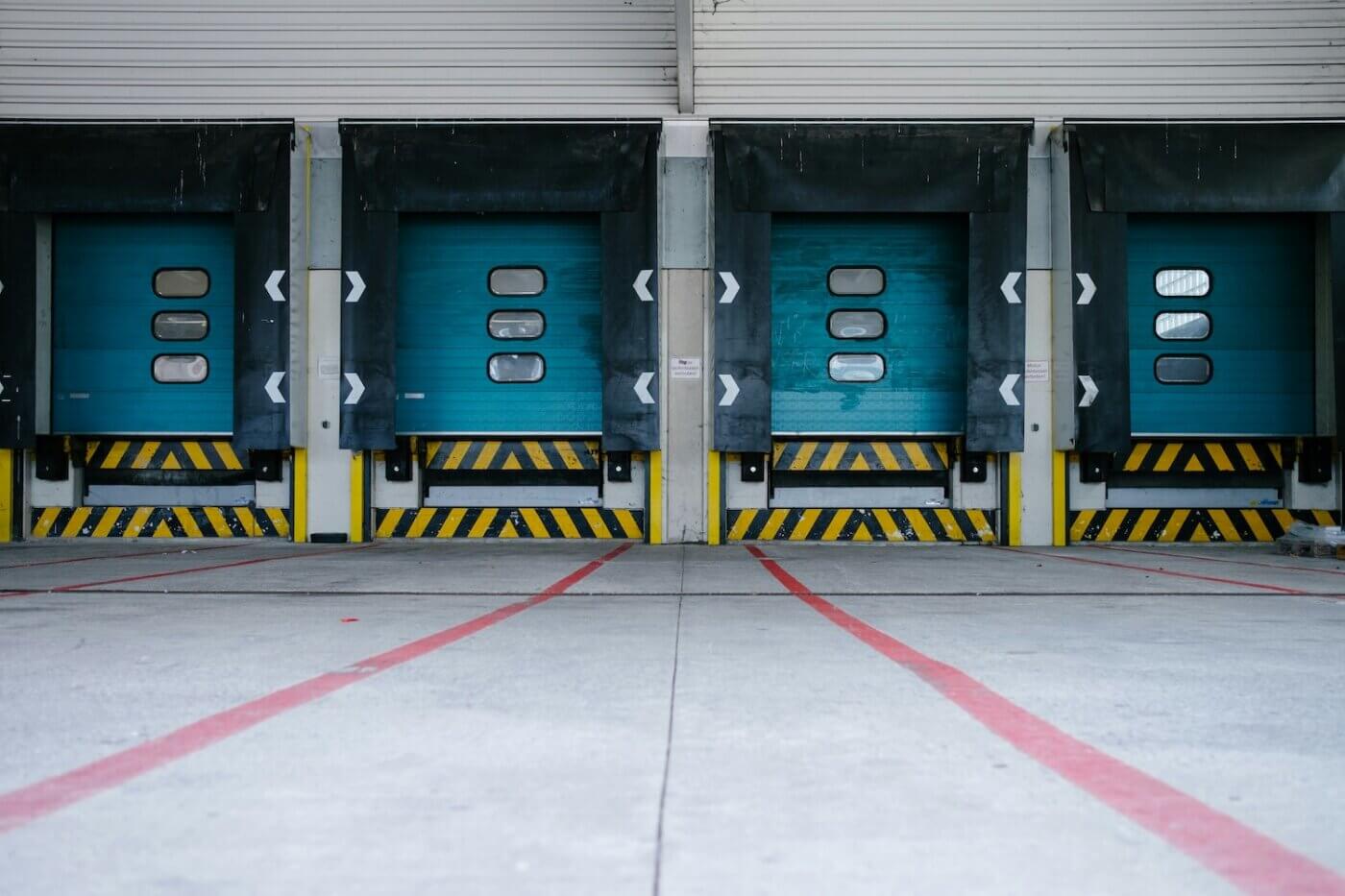
4. Improve Loading Dock Security
Loading docks are among the busiest parts of a warehouse. Trucks arrive, employees move products, and drivers may need to wait while shipments are prepared.
Without clear procedures, it can be hard to track who is entering the area and what inventory is leaving.
Good loading dock security begins with controlling access to these spaces.
Check that:
- Dock doors are secured when not in use.
- Drivers remain in approved waiting areas.
- Employees verify shipments before loading or unloading.
- Inventory isn’t left unattended in unsecured areas.
- Check and document required trailer seals.
Also make sure security procedures don’t interfere with emergency exits or safe equipment operation.
Review these procedures with your shipping and receiving teams. They should understand their responsibilities and know what to do when something unexpected happens.
5. Protect and Track Your Inventory
Inventory loss isn’t always due to theft. Products can also go missing because of shipping errors, incorrect counts, or misplaced stock.
That’s why inventory management should be part of your overall warehouse security program.
Review how your facility tracks products from arrival until they leave the property.
Consider the following questions:
- Are incoming shipments checked against receiving records?
- Is valuable inventory stored in restricted areas?
- Are inventory adjustments reviewed and approved?
- Are outgoing orders verified before leaving?
- Does your team investigate missing or damaged products?
Security cameras can help when investigating an incident, but accurate inventory records are just as important.
When employees can identify where a discrepancy occurred, it’s easier to determine what went wrong and prevent similar problems.
6. Secure Trailer Yards and Outdoor Areas
Your security program shouldn’t stop at the warehouse doors. Trailer yards, parking lots, and outdoor storage areas can also present security risks, especially when vehicles or equipment remain on-site overnight.
Walk around your property and inspect fences, gates, locks, and exterior lighting. Make sure employees know which vehicles are authorized to be on the property. You should also have procedures to track trailers and approve their movement.
For warehouses involved in international shipping, the U.S. Customs and Border Protection CTPAT program offers guidance on identifying supply chain security risks. The right approach will depend on your facility’s layout and daily operations.
7. Review Security Cameras and Alarm Systems
Security cameras and alarms are useful tools, but they need to be maintained and monitored to work effectively.
Start by checking whether your cameras cover the most important areas. These may include building entrances, loading docks, restricted storage areas, and vehicle gates.
Then review how your team responds when an alarm is triggered.
Ask yourself:
- Are all cameras and alarms working properly?
- Are there areas that cameras can’t see?
- Who receives security alerts?
- How quickly can staff respond to an incident?
- Can recorded footage be accessed when needed?
Warehouse layouts often change as businesses grow. If you move shelving or equipment, your cameras may no longer provide the coverage you need.
Regular inspections can help you catch these issues before they become larger problems.
8. Make Sure Employees Know How to Respond
Even with good equipment and security procedures, employees need to know what to do when something goes wrong.
A warehouse employee who notices an unsecured door or an unfamiliar person in a restricted area should know how to report the concern.
Make sure your team understands when to contact security personnel and how to handle incidents without putting themselves at risk.
It’s also worth reviewing how information is shared between shifts. If an issue happens overnight, the next team should know about it.
At Marksman Security, our logistics security services support distribution center security through access management, vehicle inspections, mobile patrols, and security monitoring.
Our goal is to help businesses maintain security procedures that work with their daily operations.
Put Your Warehouse Security Checklist to Work
Completing a warehouse security checklist is a good starting point, but the next step is addressing the problems you’ve identified.
Some improvements may be relatively simple, such as updating employee access permissions or repairing a damaged lock. Others may require additional security personnel or changes to existing procedures.
The key is to create a plan that fits your facility and how your business operates.
At Marksman Security, we work with businesses to develop security programs based on their specific needs. Whether you’re reviewing an existing program or looking for additional protection, our team can help you explore your options.
About the author
 by Jennifer Shihadeh, Vice President